Fresh and Crunchy Toppings That Elevate Any Hot Dog
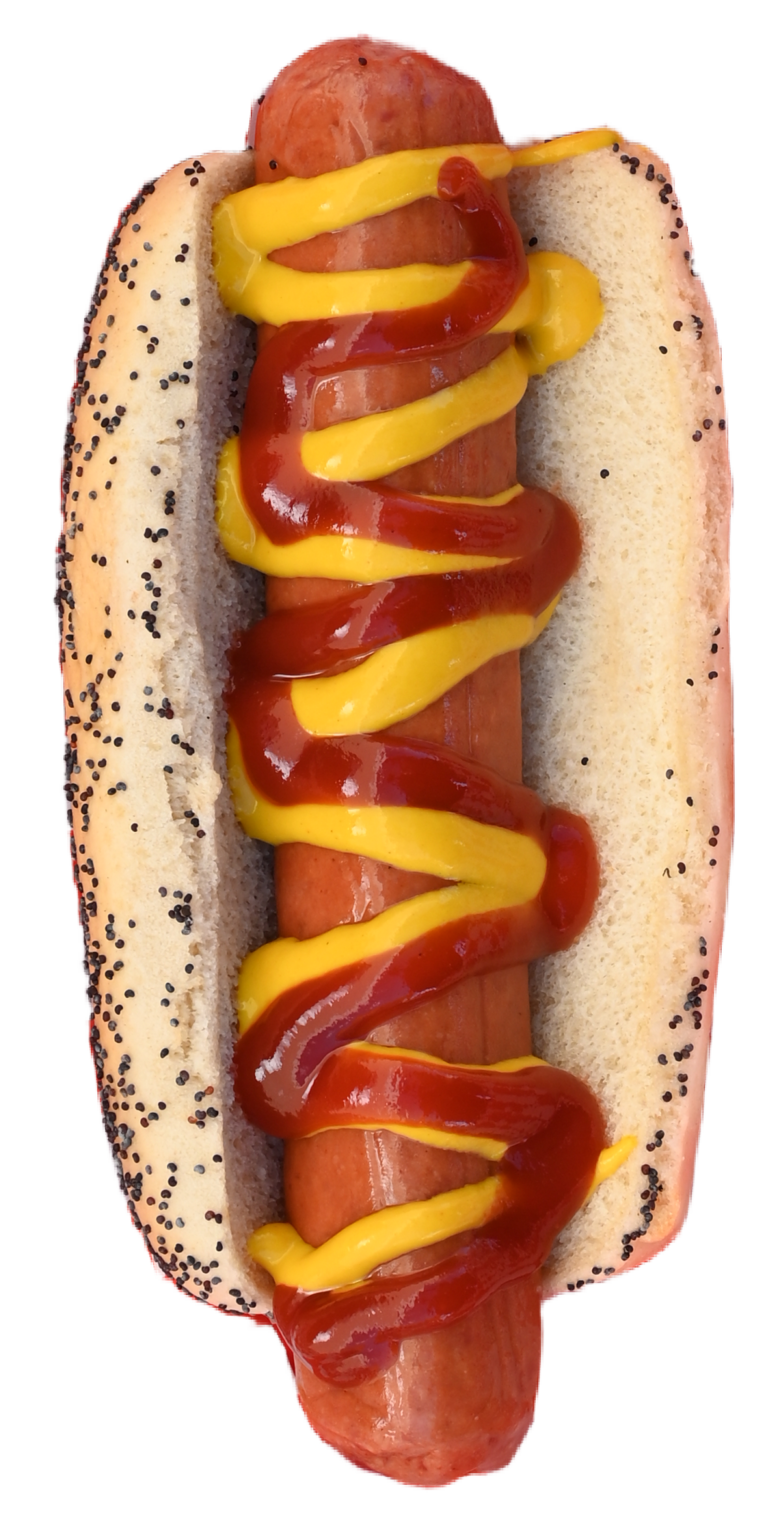

A hot dog lives or dies on contrast. The sausage brings fat, salt, and heat. The bun contributes softness and just enough structure to keep the whole thing in hand. What turns it from a forgettable ballpark meal into something vivid is texture, especially that first audible bite. Fresh and crunchy toppings do more than decorate a hot dog. They cut richness, brighten smoke, and wake up ingredients that can otherwise blur together.
That matters whether you are grilling all summer, feeding kids after practice, or building a menu item that needs to justify a higher price. I have seen plenty of hot dogs dragged down by heavy chili, limp onions, and sweet sauces that flatten every flavor around them. I have also seen a basic all beef dog become memorable with nothing more than finely shredded cabbage, sharp pickles, and a spoonful of celery salt slaw. The difference is usually not complexity. It is freshness, knife work, and restraint.
The best crunchy toppings do three jobs at once. They add snap or crackle, they introduce acidity or bitterness to keep fat in check, and they bring temperature contrast against the hot dog itself. Cold toppings on a hot dog create a kind of instant balance that your mouth notices before your brain does. You take a bite and suddenly the sausage tastes more savory, the bun tastes sweeter, and the condiments taste more focused.
Why crunch matters more than people think
Texture often gets treated as an afterthought in backyard cooking, but with hot dogs it should be one of the first decisions. A dog is inherently soft in many places. The casing may snap if you cook it well, but the interior is tender. The bun is yielding. Ketchup, mustard, relish, and cheese sauce all move toward the same soft, wet territory. If you stack too many ingredients with that same texture, every bite becomes muddy.
Crunch solves that problem. Raw onion brings a hard edge. Sauerkraut, if drained properly, contributes fibrous bite. Cucumber slices add clean fracture. Even something as simple as shredded iceberg gives a hot dog lift and movement. The meal feels less heavy, even when the sausage is exactly the same size.
There is also a practical side. Fresh toppings can make an inexpensive hot dog taste like you planned it. A spoonful of pickled fennel or a fast jalapeño slaw sends a clear signal that someone paid attention. That is useful at home, at a cookout, and especially in food service, where repeat business often depends on whether the item felt specific rather than generic.
Start with ingredients that stay crisp
Not every raw topping belongs on a hot dog. Some vegetables release too much water. Others overpower the sausage. The sweet spot is produce that keeps its structure and either contrasts with the meat or echoes flavors already present in it, such as garlic, smoke, coriander, or pepper.
Here are the categories that consistently work well:
- crisp alliums such as white onion, red onion, shallot, and scallion
- sturdy watery vegetables such as cucumber, radish, and celery
- brassicas such as cabbage, napa cabbage, and occasionally Brussels sprouts shaved very thin
- pickled vegetables that still retain bite, including cucumbers, peppers, green tomatoes, and carrots
- fresh herbs and chilies used as accents rather than as a salad
That short list covers a surprising amount of ground. Once you understand how each category behaves, you can build dozens of combinations without making the hot dog feel overloaded.
Onions, the standard for a reason
Raw onion remains one of the best hot dog toppings because it is assertive, cheap, and texturally reliable. White onion is the classic choice for a reason. It has enough sulfur and sharpness to cut through an all beef dog, especially one with a natural casing and a decent char. Diced small, it distributes evenly and gives nearly every bite a little sting.
Red onion can work, though I use it more carefully. It is visually striking and slightly sweeter, but larger pieces can dominate. If I am pairing it with spicy brown mustard and a smoky sausage, I like to rinse the diced onion under cold water for ten to fifteen seconds, then dry it well. That takes the harsh top edge off without making it soft.
Shallots are excellent when you want something more refined. Finely minced shallot with a little vinegar and salt reads cleaner and more elegant than standard onion, which makes sense on a smaller, snappier dog or even a cocktail frank. Scallions are more delicate, but they fit beautifully with toppings inspired by East Asian flavors, especially sesame, cucumber, and chili crisp used sparingly.
One lesson worth learning early is that onion size matters. Big rough chunks on a hot dog are awkward. A fine dice gives crunch without making the topping slide off in clumps.
Cabbage gives the biggest payoff
If I had to choose one fresh topping family that consistently improves a hot dog, it would be cabbage. Green cabbage, red cabbage, and napa each bring something useful. They stay crisp, they absorb dressing without turning limp too quickly, and they create volume without making the hot dog feel sloppy.
A simple cabbage slaw is one of the smartest toppings you can keep on hand. It does not need mayonnaise. In fact, a lighter slaw often works better here. Shred cabbage very thin, add a little salt, toss with vinegar and a touch of sugar, then let it sit just long enough to relax slightly while preserving crunch. That gives you brightness and texture without burying the sausage under creamy weight.
Red cabbage is especially good if the rest of the hot dog is rich or sweet. On a bacon wrapped dog, for instance, a vinegar dressed red cabbage slaw can save the whole thing from feeling excessive. Napa cabbage is gentler and more flexible. It takes on sesame, lime, and chili well, making it a natural fit for fusion style dogs.
There is a trade off, though. Too much slaw, especially long cut slaw, can make the hot dog difficult to eat cleanly. Fine shredding is essential. You want a topping, not a side dish trying to escape the bun.
Pickles, but choose them with intent
People often say "pickles" as though all pickles do the same job. They do not. Dill chips, half sour spears, bread and butter slices, cornichons, and pickled green tomatoes each send a hot dog in a different direction.
Dill pickles are the workhorse choice. They are acidic, herbal, and familiar. Sliced thin, they provide clean crunch without distracting from the dog. Half sours are even better if you can find them. They are less aggressive than fully sour pickles, with a fresher cucumber bite that plays nicely against smoky links.
Bread and butter pickles can work on a hot dog, but the sweetness needs managing. They pair best with spicy mustard or sharp raw onion so the whole bite does not drift into sugary territory. Cornichons bring a denser crunch and a concentrated tang, more useful on smaller gourmet dogs than on the standard backyard frank. Pickled green tomatoes deserve more attention than they get. They carry firm texture and bright acidity, and they have enough personality to stand up to robust sausages.
The biggest mistake with pickles is slice thickness. Thick chips can overwhelm the bun and push the sausage out with every bite. Thin, angled slices sit better and spread flavor more evenly.
Cucumbers and radishes for clean, cold snap
Fresh cucumber sounds almost too simple, which is probably why many people overlook it. On a grilled hot dog, especially one with spicy mustard or a chili sauce, thin cucumber slices cool everything down and add a watery crispness that keeps the meal from feeling one note. Persian cucumbers are ideal because they are firm and relatively dry. English cucumbers also work if you remove the watery core.
Radishes are more assertive. Their crunch is sharper, their flavor peppery, and their visual appeal hard to ignore. Sliced paper thin, they add energy to a hot dog without much bulk. I like them with sausages that already contain garlic and black pepper, or with toppings that lean Central European, such as mustard and kraut. They also pair well with creamy elements like a light yogurt herb sauce, though that starts to move away from classic hot dog territory.
Celery is another underused option. Finely sliced on a bias, it brings herbal freshness and real crunch. It can feel too aggressive by itself, but mixed into slaw or relish it adds lift that many hot dog toppings lack.
Pepper heat needs texture, not just spice
Fresh peppers bring more than heat. Jalapeños, serranos, and even mild banana peppers contribute crispness, grassy flavor, and a certain brightness that cooked peppers lose. On a rich beef hot dog, that matters.
Raw jalapeños are the easiest place to start. Thin rounds add crunch and a direct, green heat. Pickled jalapeños are softer, but still useful if you choose a brand or homemade batch with real bite left in the flesh. Serranos are hotter and leaner in flavor, best used when the rest of the toppings are simple. Banana peppers and sport peppers take you in a more classic street food direction, with pleasant acidity and moderate heat.
The key with peppers is distribution. A few strategically placed slices are better than a pile. Too much concentrated heat can erase the sausage instead of complementing it. I have found that pepper crunch works best when paired with something cooling or juicy nearby, such as cucumber, slaw, or tomato.
Tomatoes can work, but only with discipline
Tomatoes are tricky on a hot dog. They can be excellent, but they are also one of the fastest ways to create a soggy bun. If you use them, think in terms of small, firm pieces and minimal juice. Roma tomatoes, seeded and diced, behave much better than large slicing tomatoes. Cherry tomatoes, quartered and lightly salted, can also work if drained briefly.
The flavor payoff is real. Good tomato brings sweetness, acid, and freshness. It is especially effective on a dog with chopped onion, mustard, celery salt, and a pickle spear, the kind of combination that nods toward a Chicago style hot dog without trying to imitate it exactly. But tomatoes need support from other crunchy toppings. On their own, they are not enough.
If your tomatoes are out of season and mealy, skip them. A bad tomato weakens everything around it.
Herbs have a role, but it is a supporting one
Fresh herbs are not crunchy in the same way as onion or cabbage, yet they can sharpen a hot dog dramatically when used with care. Cilantro, dill, parsley, and basil all have their place. Mint is harder to use, but it can be excellent in small amounts with cucumber and pickled vegetables.
Cilantro works naturally with jalapeños, limey slaws, and salsas. Dill amplifies pickles and cabbage beautifully. Parsley adds freshness without drawing attention to itself, which can be useful when you already have several stronger toppings. Basil is less obvious, but paired with tomato and pickled onion it can create a surprisingly clean summer hot dog.
What herbs should not do is blanket the top like a salad garnish. A hot dog benefits from seasoning, not from a bouquet.
The case for quick pickling
Quick pickles are one of the most practical ways to add crunch and brightness while extending the life of your toppings. Unlike full fermentation, quick pickling is fast and predictable. It lets you tailor acidity and sweetness to the sausage you are serving.
The process is simple enough to remember:
- slice the vegetable thin and keep the cuts consistent
- season lightly with salt to draw out a bit of moisture
- cover with a hot mixture of vinegar, water, and a small amount of sugar
- chill until cold, then drain well before topping the hot dog
- use within a few days for the best texture
Red onions are the obvious candidate, but carrots, radishes, cucumbers, fennel, and jalapeños all respond well to quick pickling. Drainage matters more than people realize. Excess brine runs straight into the bun. A topping can be delicious in a jar and still be wrong for a hot dog if it is too wet.
Matching toppings to the dog itself
Not every topping suits every sausage. A mild beef frank can carry stronger garnishes because it serves as a neutral anchor. A heavily smoked or spiced sausage may need simpler, cleaner toppings so its own seasoning still shows up.
These pairings tend to work reliably in real kitchens and at home cookouts:
- all beef hot dog with white onion, dill pickle, yellow mustard, and a little celery salt
- bratwurst style dog with shredded cabbage, pickled onion, and grainy mustard
- spicy sausage with cucumber, radish, and a restrained yogurt dill sauce
- bacon wrapped dog with red cabbage slaw and jalapeño for freshness and cut
- smoked sausage with sauerkraut that still has bite, plus thin apple slices for crisp sweetness
The point is not to follow formulas rigidly. It is to recognize how crunch can either sharpen the sausage or fight with it. Apple, for example, sounds unusual until you try thin tart slices against smoke and mustard. Then it makes immediate sense.
Moisture is the enemy of texture
A topping can start crisp and still fail on the plate if you do not control moisture. This is where many hot dogs go wrong. Tomatoes weep. Pickles drip. Slaw dressing pools. Kraut steams in its own liquid. The bun absorbs all of it and collapses.
There are several habits that prevent that. Dry cut vegetables after rinsing. Salt slaws lightly and let them drain if needed. Keep pickled items in a strainer, not swimming in their jar until the last second. Toast the bun enough to create a little barrier. Warm kraut separately and squeeze or drain it before using. Assemble close to serving time.
At events, I often hold crunchy toppings cold and dry in shallow pans with a perforated insert or paper towel beneath. It is not glamorous, but it works. Crispness is fragile. You have to protect it.
Regional traditions still have lessons to teach
Some of the best hot dog topping ideas come from regional styles that understand balance instinctively. The Chicago style hot dog is famous not because it piles on ingredients, but because those ingredients were chosen for texture and contrast. You get raw onion, a pickle spear, sport peppers, tomato, mustard, and celery salt, all around a warm sausage in a steamed bun. Soft, sharp, crunchy, juicy, spicy, and briny all show up at once.
In the Southeast, slaw dogs prove how effective cabbage can be, especially when the slaw is chopped fine and not overdressed. In parts of Latin America, hot dogs often receive fresh pico style toppings, shredded cabbage, or crisp fried elements that counter rich sauces. Across Europe, the pairing of sausage with raw onions, pickles, and mustard keeps reappearing because it works.
The common thread is not novelty. It is contrast handled with confidence.
A few combinations worth trying at home
If your usual hot dog routine is mustard and relish, there is no need to abandon that. A small shift can take you somewhere more interesting. Finely shredded napa cabbage with rice vinegar and scallions creates a lighter dog that suits grilled chicken sausage. Thin sliced radish with dill pickle and mustard gives an all beef frank a sharper edge. Quick pickled fennel and onion make a pork sausage taste cleaner and more aromatic. Cucumber with chopped cilantro and jalapeño can brighten a hot dog that would otherwise feel too salty in hot weather.
I also like mixing one classic topping with one less expected one. Sauerkraut plus https://gravatar.com/underconstructionhotdogs fresh cucumber sounds odd on paper, but on a smoky dog it offers both fermented tang and cold crunch. Raw onion plus apple works better than many people expect, especially when the mustard is strong and the sausage is deeply browned.
The trick is to stop before the hot dog turns into a chopped salad. Two or three well chosen fresh toppings usually outperform six mediocre ones.
Getting the details right
Knife work, temperature, and timing matter. Slice vegetables thin enough to be bitten through cleanly. Keep toppings cold until the last moment. Cook the hot dog properly so the casing snaps and meets the crunch around it. Toast or steam the bun according to the style you want, but make sure it can handle the fillings.
If you are serving a crowd, prep toppings in a way that preserves quality. Cut onions shortly before service so they stay crisp and pungent. Make slaw early enough to mellow slightly, but not so early that it goes limp. Store herbs wrapped and dry. Taste pickles before serving because acidity levels vary more than people realize.
Most of all, remember that a hot dog is not a blank canvas that needs endless decoration. It is a specific food with specific strengths. Fresh and crunchy toppings should sharpen those strengths, not hide them. When they do, even a simple hot dog tastes considered, balanced, and far more satisfying than the sum of its parts.
Under Construction Hot Dogs
1225 W U.S. Hwy 50, Pueblo, CO 81008
FAQ About hot dog
What are different types of hotdogs?
Under Construction Hot Dogs offers a classic all-beef hot dog, a quarter-pound Jumbo Dog, a Chili Dog, and a Chicago Dog, along with brats and a Spicy Link.
What does a chili dog have on it?
Our Chili Dog pairs a Vienna all-beef hot dog with chili, shredded cheddar cheese, and finely diced onions.
What is in a traditional Chicago dog?
Our Chicago Dog comes on a steamed poppy seed bun with yellow mustard, bright green relish, onions, tomato wedges, a pickle spear, sport peppers, and celery salt.